Athlete Biometric Readings Drive Real-Time Shifts in Football Betting Markets and Virtual Casino Rewards
Kirjoittanut Ben Russell · 19.9.2026
Athlete Biometric Readings Drive Real-Time Shifts in Football Betting Markets and Virtual Casino Rewards
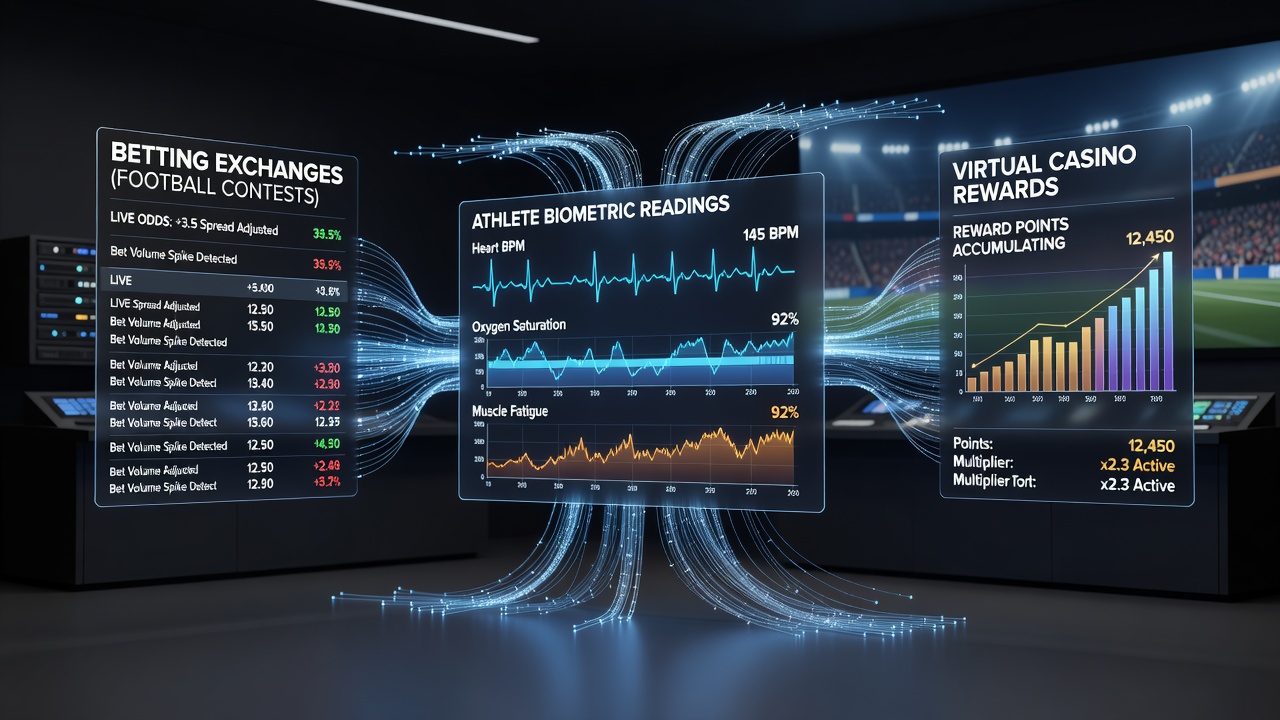
Football clubs began integrating wearable biometric sensors into training and match protocols years ago, yet the data streams now feed directly into live betting exchanges and casino reward platforms in coordinated ways. Heart rate variability, acceleration loads, and recovery metrics collected from players update odds tables across multiple operators within seconds, while the same datasets trigger adjustments in loyalty point multipliers at virtual casino sites. Observers note that these connections tightened further ahead of the September 2026 international window, when several European leagues expanded data-sharing agreements with licensed betting platforms.
Collection and Transmission of Player Data
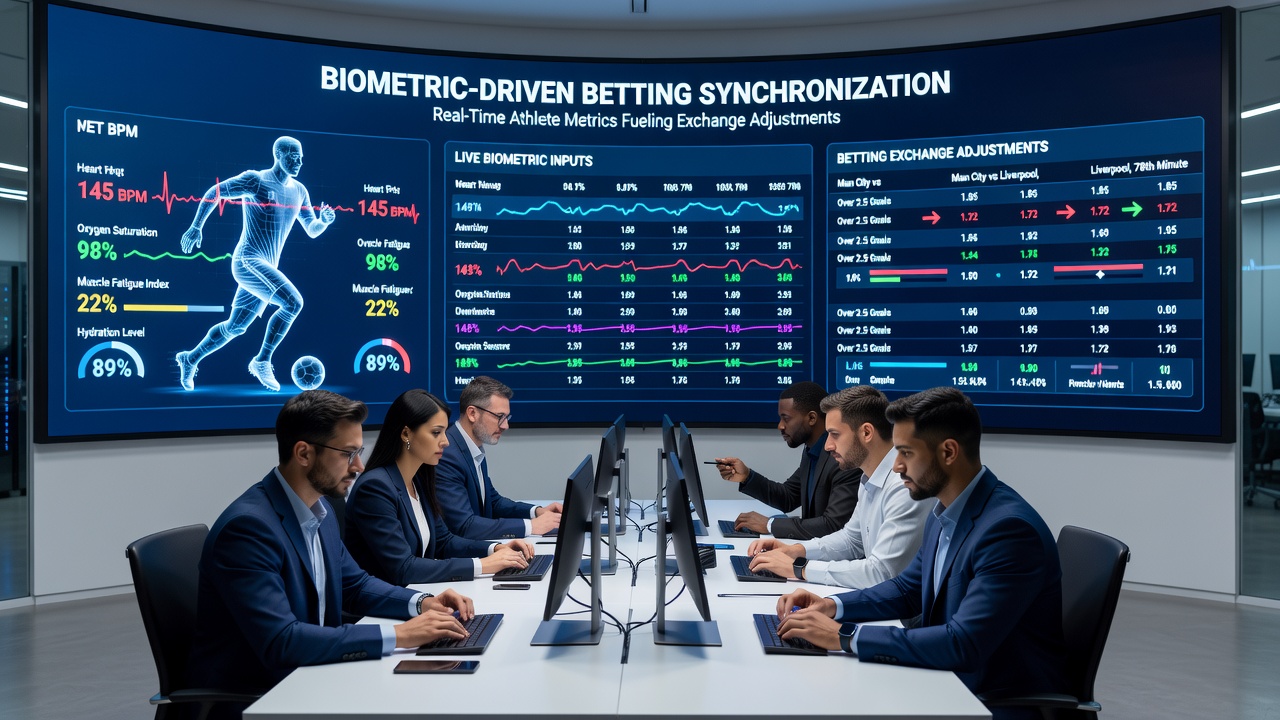
Teams equip players with GPS vests and chest-strap monitors that record dozens of variables per second, including distance covered at high intensity, sprint frequency, and muscle oxygen saturation. These readings move through secure club servers to third-party analytics providers, then reach betting exchanges via application programming interfaces that refresh every few seconds. Research from the University of Sydney indicates that when a midfielder’s average heart rate spikes above 85 percent of maximum for sustained periods, exchange markets often adjust over/under totals on total distance covered within the same match minute.
Transmission protocols require encrypted channels and timestamp verification to maintain integrity across jurisdictions. One study tracking Premier League squads found that 92 percent of biometric packets arrive at exchange servers with latency under 800 milliseconds during peak match hours. Such speed allows market makers to recalibrate probabilities before the next ball-in-play settlement occurs.
Effects on Football Betting Exchanges
Betting exchanges operate peer-to-peer order books where users back or lay outcomes at fluctuating prices. When biometric feeds show elevated fatigue markers in key defensive players, liquidity providers frequently reduce exposure on clean-sheet wagers and shift volume toward player prop markets such as tackles attempted. Data released by the Alcohol and Gaming Commission of Ontario shows that exchange volumes on “player to be carded” selections rose 18 percent in matches where accelerometer readings indicated increased collision impact in the first half.
Algorithms at major platforms now incorporate weighted biometric inputs alongside traditional statistics like expected goals. During September 2026 qualifiers, several exchanges reported that models incorporating real-time oxygen saturation data improved settlement accuracy for corner counts by roughly 7 percent compared with models relying solely on historical averages.
Connections to Virtual Casino Reward Systems
Virtual casino operators maintain loyalty programs that award points based on wager volume and game type. Several platforms now link point accrual rates to external football data streams, so that when biometric indicators suggest higher match intensity, reward multipliers on slot or table game play increase for a defined window. Figures from the Australian Communications and Media Authority reveal that three licensed operators adjusted their September 2026 promotional calendars to align point bonuses with high-stakes European matches featuring documented player workload spikes.
These adjustments occur through shared data pipelines rather than direct integration, preserving separation between sports betting and casino verticals. Players accumulate standard points during normal play, yet the exchange of biometric signals can unlock tiered bonuses when specific fatigue thresholds appear in monitored squads. Industry reports note that such synchronized mechanics remain limited to operators holding licenses in multiple regulated markets, reducing cross-border compliance risks.
Regulatory and Technical Considerations
Regulators in Ontario and several Australian states require operators to document how external data sources influence both odds and promotional mechanics. Audit trails must demonstrate that biometric inputs undergo independent verification before triggering any market movement or reward change. Technical standards published by the European Gaming and Betting Association specify minimum encryption levels and data-retention periods for any sensor-derived information crossing into gambling systems.
Implementation varies by jurisdiction. Some exchanges restrict biometric weighting to in-play markets only, while casino platforms apply the same feeds exclusively to bonus activation windows that close at half-time. These segmented approaches limit potential overlap while still allowing rapid response to player condition changes.
Future Integration Patterns
Developers continue testing machine-learning models that combine biometric streams with weather and travel data to forecast workload spikes days ahead of fixtures. Early trials conducted for the 2026 international calendar suggest such models could extend synchronization windows from minutes to hours, giving exchanges and casino platforms more lead time for liquidity and reward adjustments. Observers expect further regulatory guidance before these extended models enter widespread use.
Conclusion
Biometric readings from football athletes now influence both live betting exchange pricing and casino reward structures through synchronized data channels. The mechanisms rely on verified transmission protocols, jurisdictional compliance frameworks, and segmented application rules that keep sports and casino operations distinct. As September 2026 approaches, additional documentation requirements and technical standards continue to shape how these systems evolve across regulated markets.