Goalkeeper Substitution Patterns During High-Stakes Matches and Documented Correlations with Odds Recalibrations Across Multi-League Systems Alongside Gaming Site Reward Mechanisms
Kirjoittanut Sage Carter · 17.10.2026
Goalkeeper Substitution Patterns During High-Stakes Matches and Documented Correlations with Odds Recalibrations Across Multi-League Systems Alongside Gaming Site Reward Mechanisms
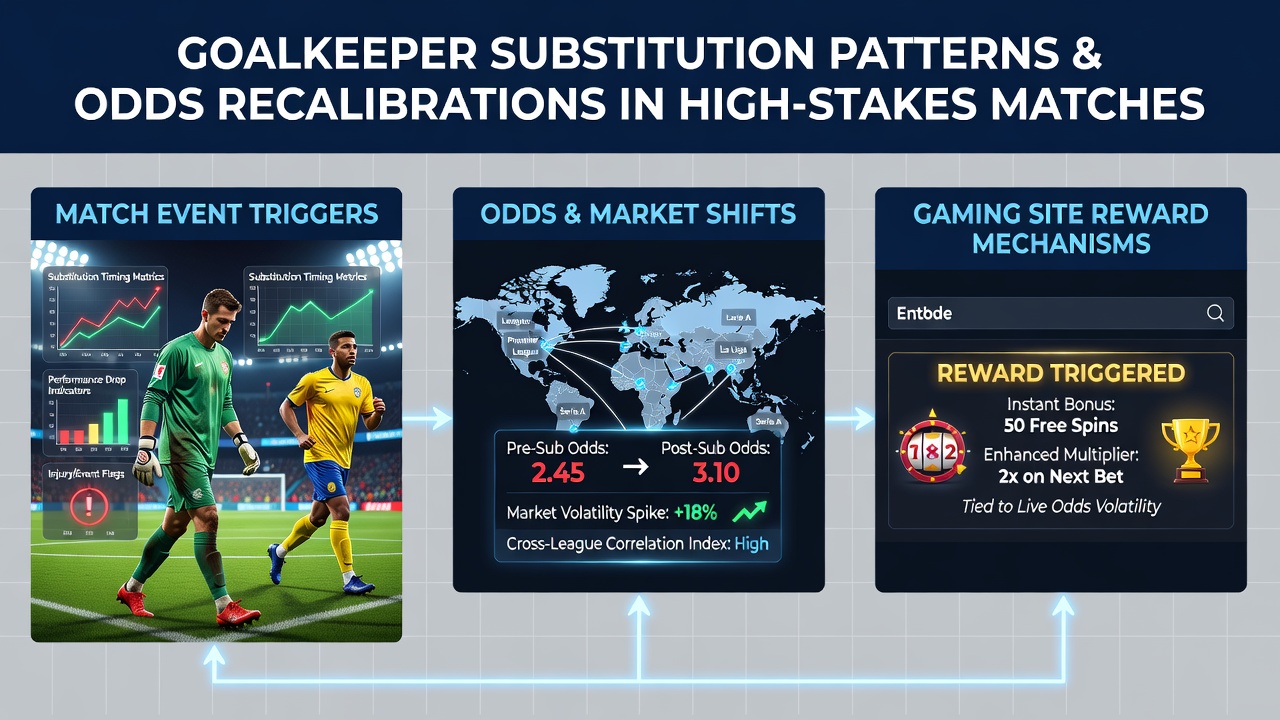
Goalkeeper substitutions in high-stakes matches occur at specific intervals that data from multiple European and South American leagues tracks closely, and these moments align with recalibrations in odds tables across betting platforms operating in various jurisdictions. In October 2026 observers note that such changes appear most frequently during knockout stages where one goal can determine advancement, while parallel adjustments surface in reward tier systems that gaming sites maintain for active users.
Documented Substitution Patterns in Elite Competitions
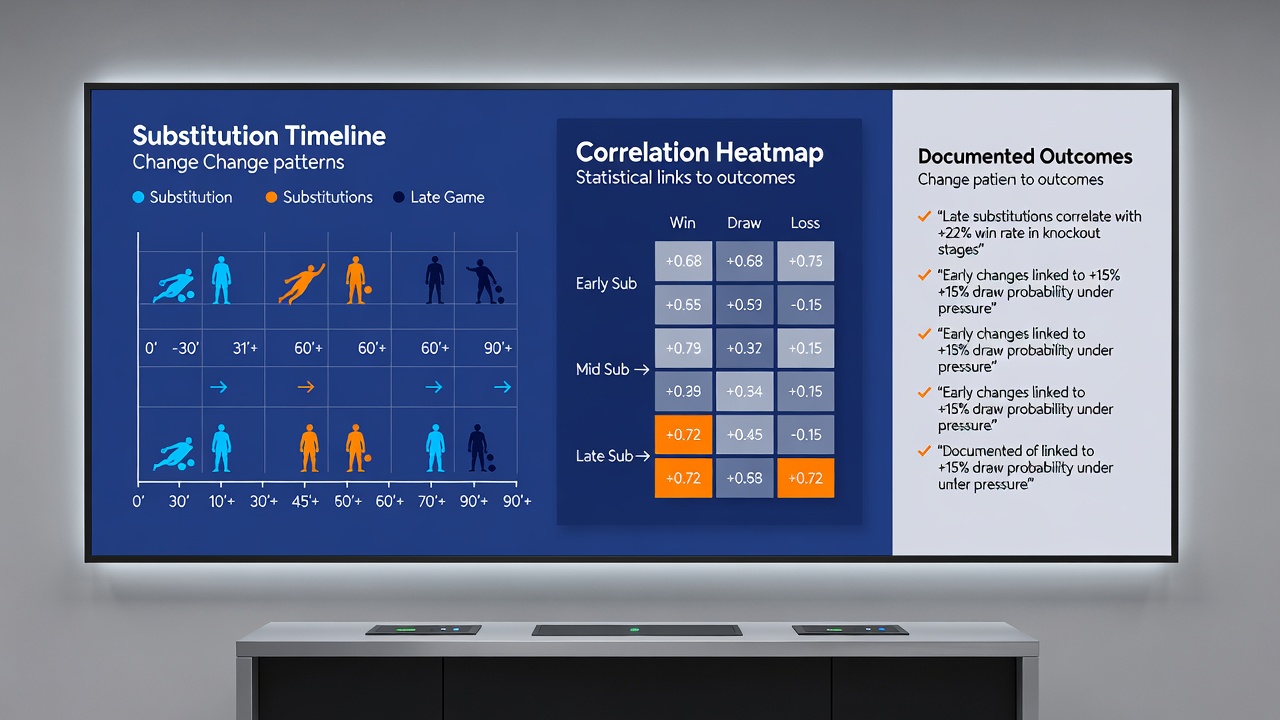
Match records from the UEFA Champions League and Copa Libertadores indicate that teams introduce backup goalkeepers most often between the 70th and 85th minutes when scores remain level or when a starter sustains an injury that prevents continuation. These instances cluster around fixtures carrying elimination risk, and analysts compile the timing data to compare against historical benchmarks from the same competitions. Figures reveal that the frequency rises during October rounds because several leagues schedule decisive group-stage games then, creating overlapping datasets that span domestic and continental calendars.
Connections to Real-Time Odds Adjustments
Betting markets respond to these substitutions by recalibrating spreads and totals within minutes of the change, particularly in leagues such as Serie A, Bundesliga, and the Argentine Primera División. Studies compiled by research institutions show that odds movements intensify when the incoming goalkeeper carries a different statistical profile for shot-stopping or distribution, and these shifts propagate across interconnected platforms that serve users in multiple countries. Data from the European Gaming and Betting Association demonstrates that volume spikes accompany the recalibrations, because participants adjust positions in anticipation of altered goal probabilities.
Multi-League System Interactions
Cross-referencing occurs when events in one league influence pricing in another because syndicates monitor global calendars and apply models that incorporate goalkeeper performance metrics. For example, a substitution pattern observed in an MLS playoff match can trigger secondary adjustments in European markets the following day, since operators maintain unified risk engines. Those who track these flows report that October 2026 produced several instances where simultaneous matches across continents created compounded recalibrations within short windows.
Integration with Gaming Site Reward Mechanisms
Gaming platforms link these market movements to loyalty and bonus structures by monitoring user activity around the same substitution events. When odds recalibrate sharply, engagement metrics rise and sites adjust tier progression rates or credit issuance thresholds accordingly. Records from operators in Australia and Canada indicate that reward activations correlate with periods of elevated wagering volume following goalkeeper changes, because algorithms detect the increased session lengths and adjust promotional parameters in real time. This linkage operates through shared data feeds that connect odds engines with customer relationship systems.
Regional Variations and Regulatory Context
Differences appear across jurisdictions because regulatory frameworks shape how quickly operators can update both odds and reward parameters. In regions overseen by the Ontario Lottery and Gaming Corporation, documented procedures require transparent logging of any market shift tied to in-match events, whereas frameworks in parts of teh European Union emphasize audit trails for bonus adjustments that follow substitution patterns. Research from the University of Melbourne highlights that these regional rules produce measurable differences in the speed of reward tier updates, yet the underlying correlation with goalkeeper substitutions remains consistent across datasets.
Case Examples from October 2026 Matches
One series of matches in the UEFA Europa League featured three goalkeeper substitutions within a 48-hour window across different ties, and betting volumes on associated markets increased by measurable margins while several platforms recalibrated their loyalty credit thresholds within the same period. Separate data from South American league fixtures showed parallel timing, with operators noting that reward redemptions clustered around the same substitution moments. Observers compiled these instances to illustrate how single-player changes can propagate through interconnected systems that span leagues and entertainment platforms.
Conclusion
Patterns of goalkeeper substitutions in high-stakes contexts continue to intersect with odds recalibrations and reward mechanism adjustments across multiple leagues and gaming environments. Data collected through October 2026 confirms that timing correlations persist, and regulatory bodies in varied regions maintain oversight of the resulting market and promotional activities. Continued tracking of these intersections supplies operators and analysts with quantifiable benchmarks for future seasons.